Walking Pace Calculator: Measure Your Walking Speed and Calories
Calculate your walking pace, average speed, and estimated calories burned using this simple tool. Perfect for fitness walkers, step trackers, and hikers.
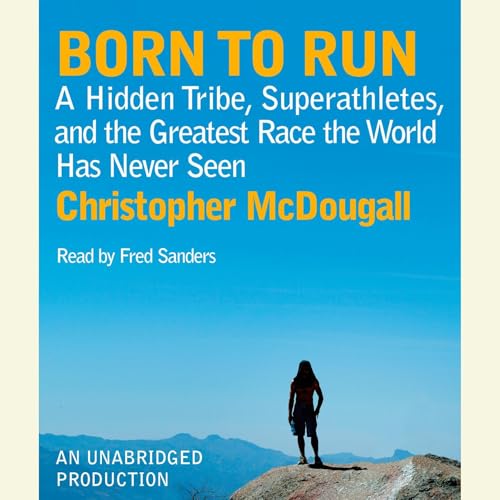
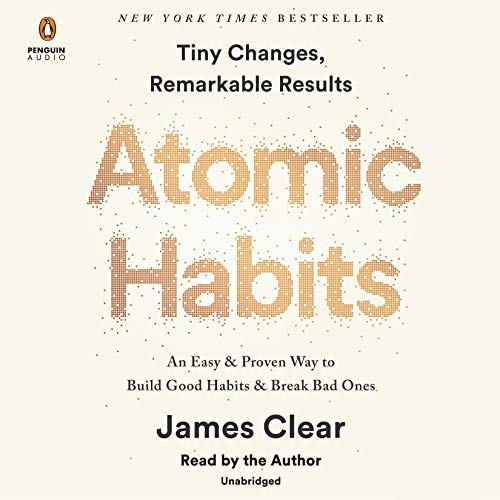
List of the Top 10 Best Audiobook for Running:




Why Track Your Walking Pace?
Walking is one of the most accessible and effective forms of physical activity. Whether you walk for fitness, commute, or simply enjoy nature, knowing your walking pace helps you gauge intensity, track progress, and set achievable goals.
Unlike running, walking doesn’t feel intense—but when done consistently at a brisk pace, it delivers profound cardiovascular, metabolic, and mental health benefits. Walking pace can vary widely based on terrain, age, fitness level, and purpose of the walk.
What Is a Good Walking Pace?
| Category | Pace (min/km) | Pace (min/mile) | Speed (km/h) |
|---|---|---|---|
| Leisure Walk | 10:00+ | 16:00+ | <6 |
| Brisk Walk | 8:00–10:00 | 13:00–16:00 | 6–7.5 |
| Power Walk | 6:00–8:00 | 9:30–13:00 | 7.5–10 |
| Race Walking | <6:00 | <9:30 | 10+ |
Calories Burned While Walking
Calories burned depend on distance, pace, terrain, and your weight. Walking typically burns 50–100 calories per kilometer. Heavier individuals and brisk walkers burn more. This calculator provides an estimate using metabolic equivalents (METs).
Tips for Improving Your Walking Speed
- Maintain good posture: upright chest, relaxed shoulders
- Engage your arms to drive momentum
- Take quicker steps rather than longer strides
- Include intervals of fast walking into your routine
- Walk hills or incline treadmills to build strength
How to Use This Calculator
Use your smartwatch, app, or step tracker to measure your total walking time and distance. Then enter it here. You can also add your weight to estimate calories burned. Switch between kilometers and miles based on your preference.
Health Benefits of Regular Walking
- Reduces risk of heart disease and stroke
- Improves circulation and joint health
- Enhances mood and lowers stress
- Supports weight loss and metabolic health
- Improves sleep and cognitive function
Frequently Asked Questions
How many steps are in a kilometer?
The average person takes 1,300 to 1,500 steps per kilometer, depending on stride length. At brisk pace, you may take 1,100 to 1,300 steps per km.
Is walking 30 minutes a day enough?
Yes! A 30-minute brisk walk (around 3 km) can burn 150–200 calories and meet daily exercise recommendations. It improves heart and metabolic health even without intense workouts.
How can I track my walking pace on my phone?
Apps like Strava, Google Fit, Apple Health, and MapMyWalk offer GPS-based pace tracking. You can use this calculator to verify or analyze results manually too.
What’s the difference between walking and power walking?
Power walking involves a more exaggerated arm swing and a higher cadence, often above 7 km/h. It offers greater cardiovascular benefit while remaining low-impact.
Conclusion
Walking is powerful, simple, and sustainable. Whether you’re hiking mountain trails or pacing neighborhood sidewalks, tracking your pace and calories empowers you to stay healthy and goal-focused. Use this calculator regularly to stay motivated and informed on your fitness journey.